 Sartu
Sartu

Mental Health for Children First Aid
- Administrator, System |
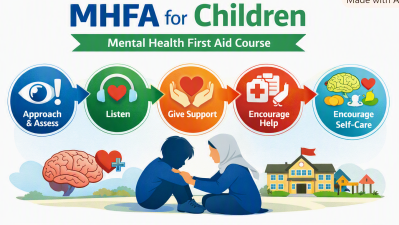
Course Introduction — Mental Health First Aid for Children
Children experience emotions in ways that are often intense, confusing, and difficult to express. Unlike adults, they rarely say “I’m anxious” or “I’m struggling.” Instead, their distress appears through behaviour, physical symptoms, withdrawal, aggression, or sudden changes in routine. Because of this, adults are the first line of support—parents, teachers, caregivers, and community members play a critical role in recognising early warning signs and responding safely.
Mental Health First Aid for Children is a practical, evidence‑informed training program that equips adults with the skills to recognise emotional or behavioural distress, respond calmly and confidently, and connect children with appropriate support. This course is designed for anyone who works with or cares for children, including educators, youth workers, parents, school staff, and community leaders.
Why This Course Matters
Children’s mental health challenges can affect:
-
Learning and academic performance
-
Social development and friendships
-
Emotional resilience
-
Long‑term wellbeing
Early intervention dramatically improves outcomes. When adults know what to look for and how to respond, children receive support sooner, recover faster, and build stronger coping skills.
This course empowers adults to:
-
Identify emotional, behavioural, and physical warning signs
-
Respond safely during crises
-
Communicate in child‑friendly, supportive ways
-
Apply the CHILD Model (Check for Safety, Hear Them Out, Identify the Problem, Link to Support, Do Follow‑Up)
-
Understand ethical responsibilities and child protection laws
-
Work collaboratively with parents, schools, and professionals
-
Build resilience and healthy coping skills in children
What You Will Learn
Throughout Modules 1–10, you will gain practical, real‑world skills:
1. Understanding Children’s Mental Health
How children express distress differently from adults, common mental health challenges, and developmental considerations. “Children rarely say ‘I’m anxious’—their distress shows up through behaviour, play, or physical symptoms.”
2. Recognising Warning Signs
Emotional, behavioural, and physical indicators of distress, including red flags requiring immediate action. “Persistent sadness, excessive worry, aggression, withdrawal, and sudden personality changes are key warning signs.”
3. The CHILD Model
A simple, step‑by‑step action plan for responding to children in distress. “C — Check for Safety, H — Hear Them Out, I — Identify the Problem, L — Link to Support, D — Do Follow‑Up.”
4. Communication Skills
How to speak calmly, validate emotions, avoid harmful language, and adapt communication to different ages and cultures. “Children need reassurance, clarity, and emotional validation.”
5. Supporting Children in Crisis
Practical strategies for panic episodes, meltdowns, trauma responses, aggression, and sudden personality changes. “Your calm presence is the most powerful tool.”
6. Building Resilience and Healthy Coping
Everyday skills that strengthen emotional regulation, confidence, and stability. “Resilience is built through supportive relationships, healthy coping skills, and stable environments.”
7. Working with Parents, Schools, and Professionals
How to communicate concerns, make referrals, and build a unified support network around the child. “Referrals are essential when a child’s needs exceed basic first aid.”
8. Ethics, Boundaries, and Child Protection
Mandatory reporting, confidentiality, safe communication, and professional boundaries. “Confidentiality has limits when safety is at risk.”
9. Practical Scenarios & Role‑Play
Realistic case studies and guided scripts to practise crisis response and communication. “Roleplay helps adults practise calm, supportive communication and build confidence.”
10. Assessment & Certification
Knowledge tests, skills demonstrations, ethical decision‑making, and certification requirements. “Certification validates readiness to support children safely.”
Course Outcomes
By the end of this course, participants will be able to:
-
Recognise early signs of emotional or behavioural distress
-
Respond confidently using the CHILD Model
-
Communicate in ways that calm, support, and validate children
-
Make safe, ethical decisions during crises
-
Understand mandatory reporting obligations
-
Work collaboratively with families, schools, and professionals
-
Build resilience and healthy coping skills in children
-
Demonstrate competency through assessment and certification
Ikastaroaren gaineko informazioa
Coaches

Administrator, System